
Countercurrents
Branching out 010

I saw a great blue heron standing in the wetland near our home recently. Its purple-grey bulk in amongst the golden grasses and cattails caught my attention as I ventured out to the grocery store, just hours before the snow and Arctic air arrived. It seems I, like so many others, feel compelled to gather before a coming storm. We needed a few things from the store, sure, (ice cream, for example, because truly, I will eat ice cream in absolutely any weather) but we also have a pantry full of food, calories sufficient for the next ten winter storms at least.
I almost stopped the car when I saw the bird, as if I could find a way to warn it, to somehow convey what was coming. I wanted to keep it warm, hold it close. I wanted to know where it goes at times like this, how it could survive—alone, I presumed—and exposed.
Back home, I did a little investigating and came across an article* that explains a unique adaptation I had never heard of: the countercurrent heat exchange system. My understanding is that while the temperature of a bird’s feet and legs may approach freezing (keeping them warm would be energetically costly), the bird’s body maintains a much higher core temperature. There’s very little muscle or nerve tissue in the feet and legs of many birds so they can handle the cold, but there is blood flow. The veins that carry the cooler blood back from the extremities intertwine with the arteries that carry warm blood from the core. This warms the blood returning from the feet, and cools the arterial blood as it heads out to the feet, creating an efficient system that allows the birds to survive where we humans could not. If anyone reading this would like to share more (or explain better), please do!
Even with that knowledge, I still feel amazed that a bird—or really anything—can survive when it is so dramatically cold. I still want to protect the heron, and all the other wild things trying to make their way in this world, especially now. But I also appreciate the reminder that my body is not their body; there are many different ways of being.
(Update: Until a couple of day ago, I hadn’t seen the heron since that storm. Then I caught a glimpse of it standing near the creek that runs just past the wetland. Maybe it wasn’t the same bird? But for now, I’ll choose to believe that the beautiful creature I saw has weathered the storm.)
***
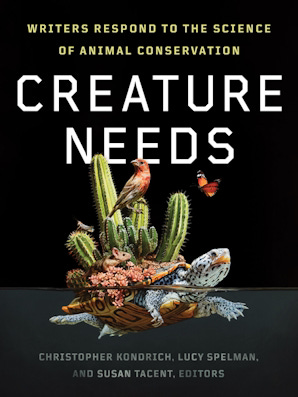
Speaking of what creatures need to survive, Creature Needs (edited by Christopher Kondrich, Lucy Spelman, and Susan Tacent, with illustrations by Franco Zacha) is an innovative, collaborative, and cross-disciplinary book that, “harnesses the power of literature and scientific research to move us, and stir our hearts and minds, toward action and change” in order to address the impact of humans on all other animals on our planet. You can learn more here.
***
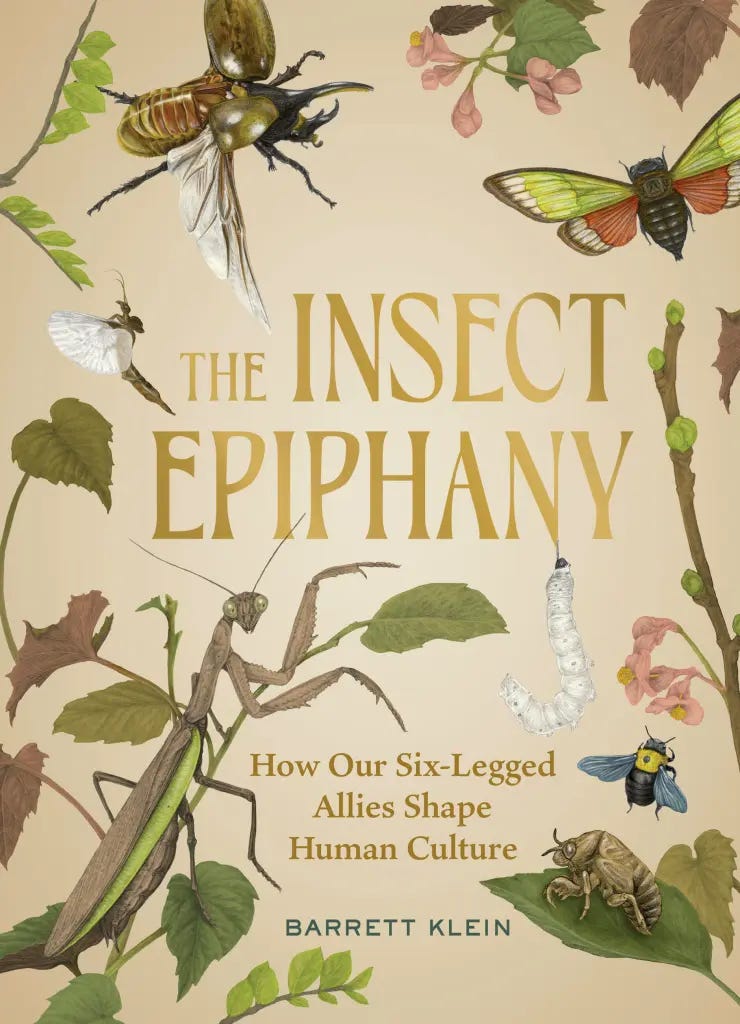
Another lovely and recent book that caught my attention is The Insect Epiphany: How Our Six-legged Allies Shape Human Culture by Barrett Klein. It includes examples of insect art, music, literature, dance, biomimetic technology, and insect tales! You can learn more about it here.
***
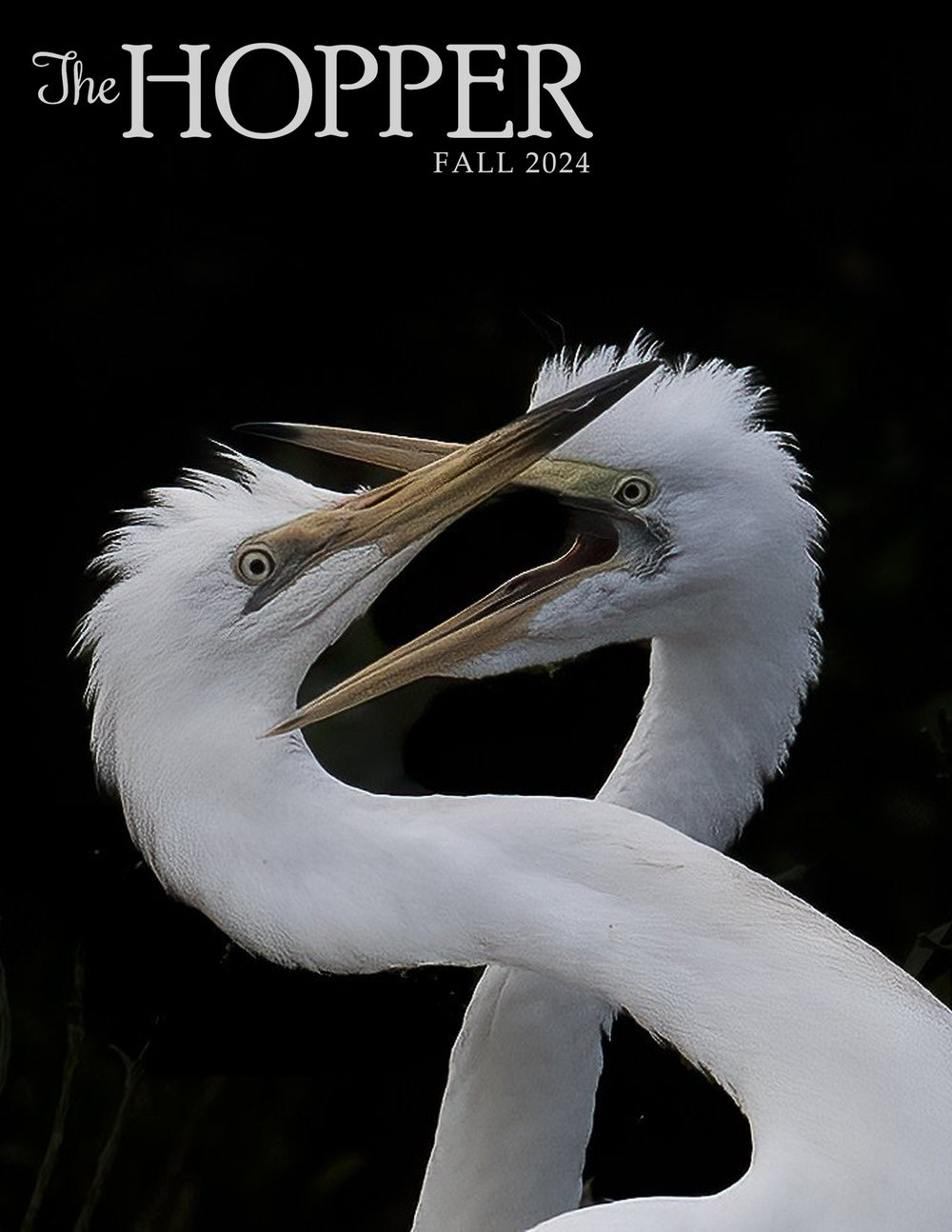
If you are a writer and/or an artist yourself, consider submitting to The Hopper, an environmental literary magazine. They publish “poetry, fiction, nonfiction, and visual art, all of which are paths towards an invigorated understanding of nature’s place in human life.” The Hopper is open to submissions from February 1st to May 1st (free to submit until February 14th, with a nominal fee after that).
Some of my art and writing from Revel:Reveal (part of my recent solo show) is included in the current issue. Please take a look, and explore the other work in this and earlier issues, too!
*the article is about gulls, but from what I’ve learned, it applies to herons and many other birds as well.