
Gestures
Branching Out 19

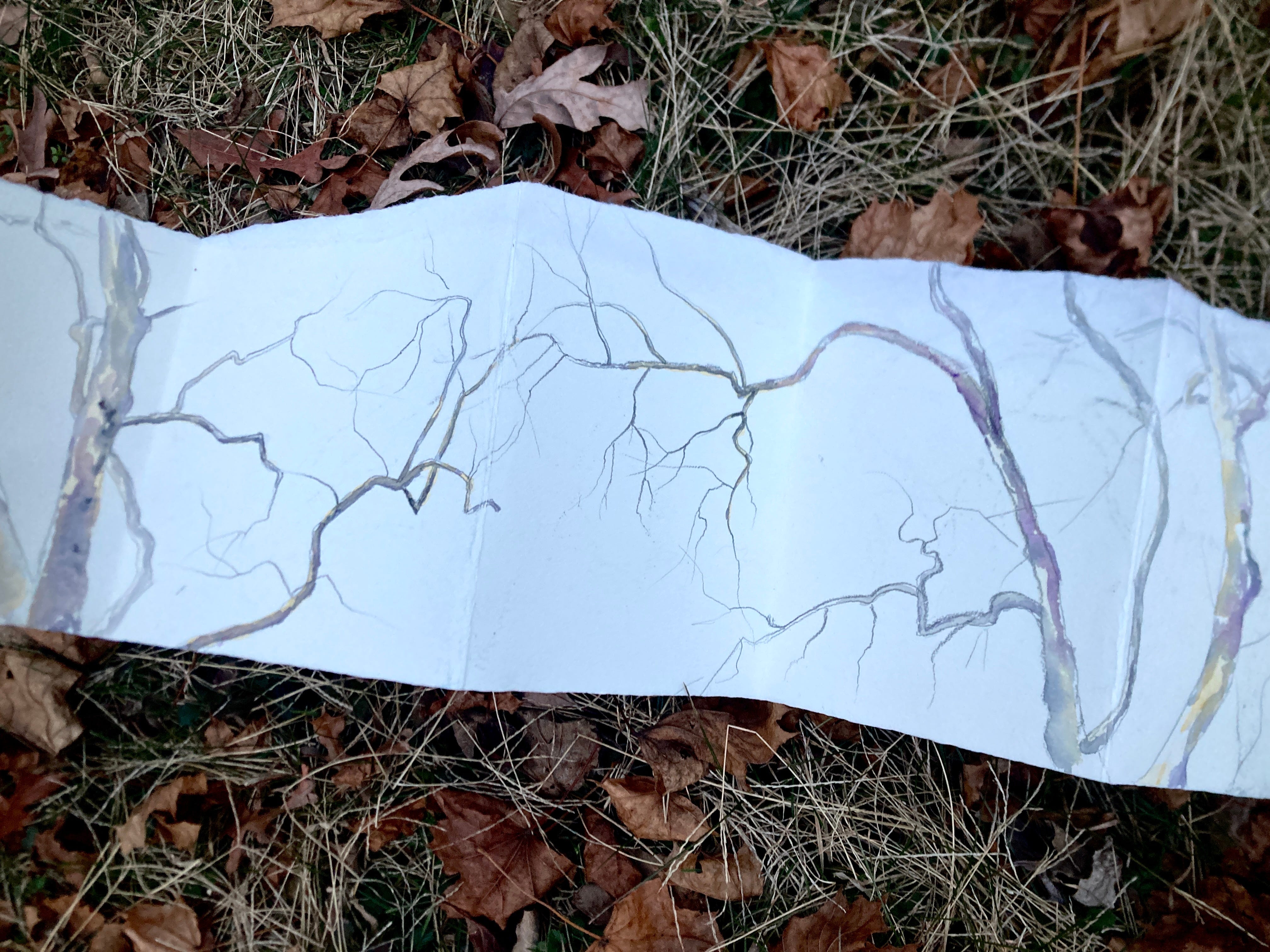
I visited a friend in New York City recently, and one afternoon we sat outside with her parents and made art. I have been drawing a tree a day for almost four years now (more on the origins of that project here), so the trees arching over our heads and in the nearby courtyard were a natural subject for me. After all this time, I still love the challenge of finding new ways to see trees, and new ways to draw them.
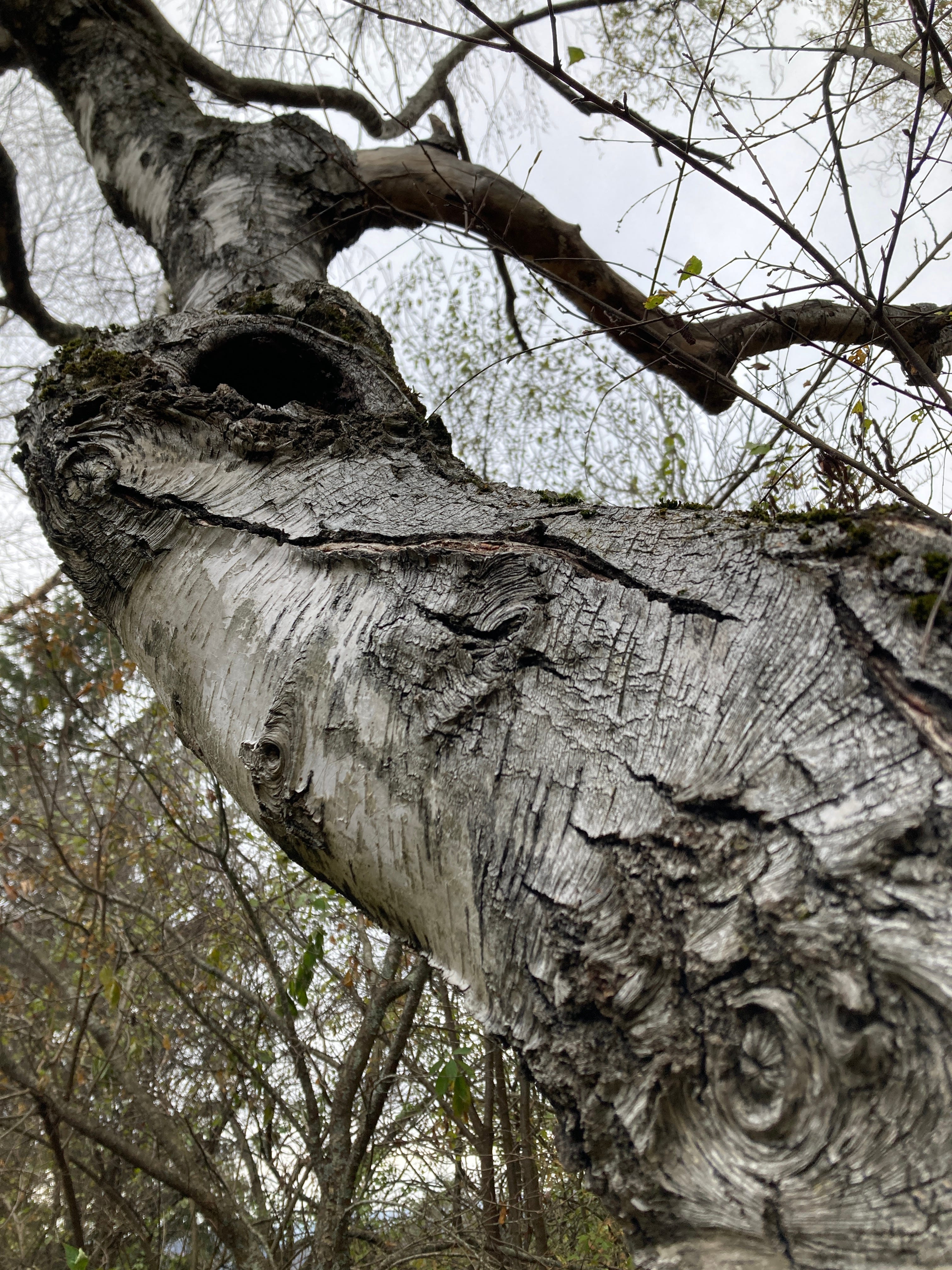
Like many tree watchers, I often perceive gestures in tree trunks and limbs. That day, I chose to focus my drawing not on a single tree, or even a part of one—what I call a “tree moment”—as usual, but rather on the connection between two beautiful sycamore trees that I imagined were caught in a sort of dance, bending, stretching, reaching toward one another. Could I capture that gesture, that relationship? Not necessarily the trees themselves, but the feeling of them, and the feeling of being near them.
Reaching out to other people, and what we convey when we give our attention to another person, is the focus of sociologist Dr. Allison Pugh. She has developed the concept of connective labor*—the work of seeing others and making them feel seen.
Dr. Pugh’s research has involved dozens of in-depth interviews with people from a wide range of professions whose work involves connective labor, including teachers, therapists, medical doctors, community organizers, sex workers, hairdressers, and more. She has discovered that by listening to people’s stories and the emotional undercurrents that run beneath them, the work of connective labor offers dignity and a sense of relief that people do not often feel in other parts of their lives.
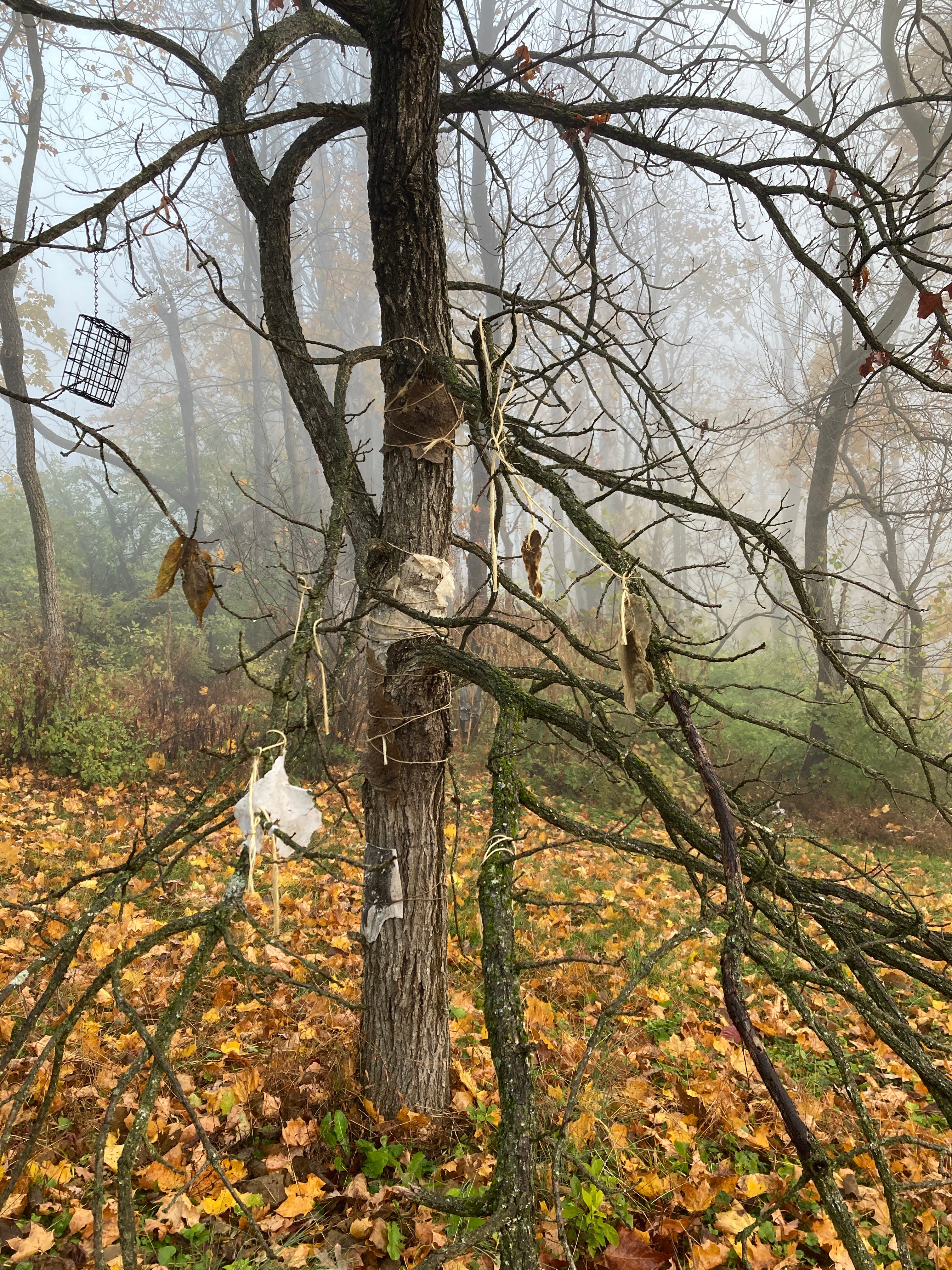
I’ve been wondering how we might apply this concept to our relationship with plants, animals, and the rest of the more-than-human world. How do I show that I’m listening, for example? With a person, I convey my attention with nods, encouraging sounds, facial expressions, eye contact, and the like. How does that work with a tree, a fungus, a toad? What impact do my efforts to attend to the stories and needs of plants, animals, and natural processes have on me? And what effect, if any, might this attention have on them?
Whether we’re engaging in connective labor with humans or the more-than-human world, establishing these ties requires humility and a slow pace. We can start by asking questions. The stories that emerge—and the people, plants, and wild animals that convey those stories—are important.
Speaking of connecting and feeling valued: I have found all of that and more through the marvelous communities created by the organizations below. If you’re feeling the seasonal urge to donate, I highly recommend them as worthy recipients!
Creature Conserve combines art and science to cultivate new pathways for wildlife conservation through mentorship, scholarships and fellowships, art exhibits, and workshops.
Hawk Mountain Sanctuary conserves birds of prey—from eagles to kestrels, and everything in between—through scientific research, education, and a beautiful sanctuary that draws visitors from around the world.
The Wild Wonder Foundation helps people develop a relationship with nature—and each other—through art, science, attention, curiosity, and community. They also have a terrific annual conference.
Scholarships offered by the Highlights Foundation provide community and growth opportunities for creators of children’s literature. See especially the Diversify Science Scholarship, but there are many wonderful options!
Thank you so much for reading Twig & Ink. Maybe you’ve been here since the beginning—almost three years!—or maybe you’re new. Either way, I appreciate the time you take to read and share your responses with me. Sometimes sending all of this out into the void feels a little weird, and I always appreciate knowing that something you read here in an interview, or something I said, touched you or helped you think about the world in a new way.
Appreciation and encouragement come in many forms, and I recently decided that in February, to celebrate Twig & Ink’s third anniversary, I will turn on the paid subscribers option. I enjoy this work, but it does take time. While I do not intend to create paywalls, if you would like to support my work financially, you will have the opportunity to do so. It will also help me reach my goal of providing a small honorarium to the people who share their time and stories in my monthly interviews. Thank you.
*Dr. Allison Pugh was on the podcast Hidden Brain, in both an interview and a Q&A session (second half). I liked both! She has also written a book that I look forward to reading.
All images and artwork by Lisa Kahn Schnell, 2025.
Thank you so much for sharing this, John!